
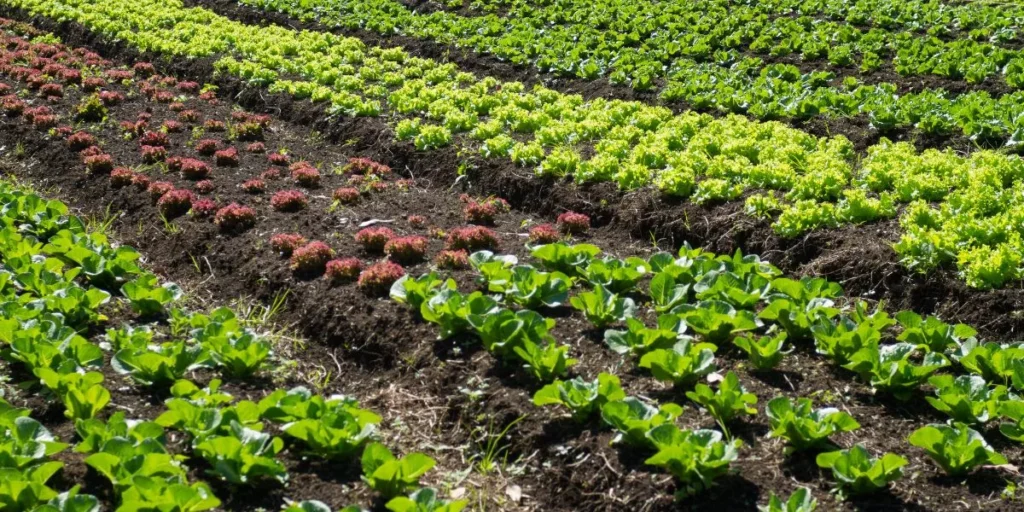
When it comes to seasonal crop rotation, the key lies in strategic planning and understanding the unique needs of different plants. By implementing the best practices, you can not only optimize your crop yields but also foster a healthier soil ecosystem. Imagine the impact on your harvests and the sustainability of your fields simply by making thoughtful decisions about which crops to rotate and how to plan your planting schedule. The benefits extend far beyond just the current season – they set the foundation for long-term agricultural success.
Importance of Seasonal Crop Rotation
To enhance soil health and maximize crop yields, implementing seasonal crop rotation is essential. By rotating crops, you can effectively manage pests and diseases that may have built up in the soil from previous plantings. This practice disrupts the life cycles of pests and interrupts their ability to establish themselves, reducing the need for chemical interventions.
Additionally, different crops have varying nutrient needs, and rotating them helps prevent soil depletion of specific nutrients. For example, legumes can fix nitrogen in the soil, benefiting subsequent crops that require this nutrient.
Seasonal crop rotation also promotes soil structure and fertility. Certain plants have deep root systems that help break up compacted soil, improving drainage and aeration. Alternating between deep-rooted and shallow-rooted crops can prevent soil erosion and improve overall soil health.
Furthermore, diverse crop rotations can enhance biodiversity on your farm, attracting beneficial insects and pollinators that contribute to a more balanced ecosystem.
Crop Selection and Planning
When planning your crop selection, consider the specific needs of each plant to optimize your seasonal rotation. Different crops have varying requirements for nutrients, water, sunlight, and soil composition. By understanding these needs, you can plan a rotation that maximizes the health and productivity of your crops.
Start by grouping plants with similar needs together. For example, plants that thrive in nitrogen-rich soil can be rotated in succession to prevent nutrient depletion. Additionally, consider the growth habits of each plant. Tall crops may shade out shorter ones, so plan the layout accordingly to ensure each plant receives adequate sunlight.
Another factor to consider is the planting and harvesting times of each crop. This information is crucial for planning your rotation to ensure a continuous supply of fresh produce throughout the growing season. By staggering planting times, you can also avoid overwhelming yourself with simultaneous harvests.
Careful crop selection and planning won’t only benefit your current harvest but also improve soil health and fertility for future seasons.
Rotating Crops for Soil Health
Consider the benefits of rotating crops for soil health to enhance the fertility and structure of your land. Crop rotation is a vital practice that helps maintain soil health by preventing nutrient depletion and reducing the buildup of pests and diseases. By alternating crops each season, you can improve soil structure, increase organic matter content, and promote beneficial microbial activity. Legumes like peas and beans are excellent choices for rotation as they fix nitrogen into the soil, benefiting subsequent crops. Additionally, rotating deep-rooted crops with shallow-rooted ones can help break up compacted soil layers and improve water infiltration.
Rotating crops also aids in pest and disease management by disrupting the life cycles of harmful organisms that may have built up in the soil. For example, planting a different crop family in the same area can reduce the risk of pest infestations and soil-borne diseases. Overall, incorporating crop rotation into your seasonal planning not only boosts soil health but also leads to more productive and sustainable agricultural practices.
Pest and Disease Management
For effective pest and disease management in crop rotation, prioritize understanding the life cycles of harmful organisms. By knowing when pests and diseases are most vulnerable or active, you can implement targeted control measures. Utilizing cultural practices like crop rotation disrupts pest cycles by reducing their favored hosts year after year. Rotating crops can also help break disease cycles, as some pathogens rely on specific crop residues for survival. Additionally, consider using cover crops to suppress weeds that may harbor pests and diseases.
Regularly monitor your crops for any signs of pest and disease infestations. Early detection allows for prompt action, preventing the issue from escalating and spreading throughout the entire crop. Implement integrated pest management strategies, combining biological, cultural, physical, and chemical control methods judiciously. When using chemical controls, always follow the recommended application rates and safety precautions to minimize environmental impact. Lastly, keep detailed records of pest and disease occurrences to inform future crop rotation decisions and optimize management practices.
Garden


