
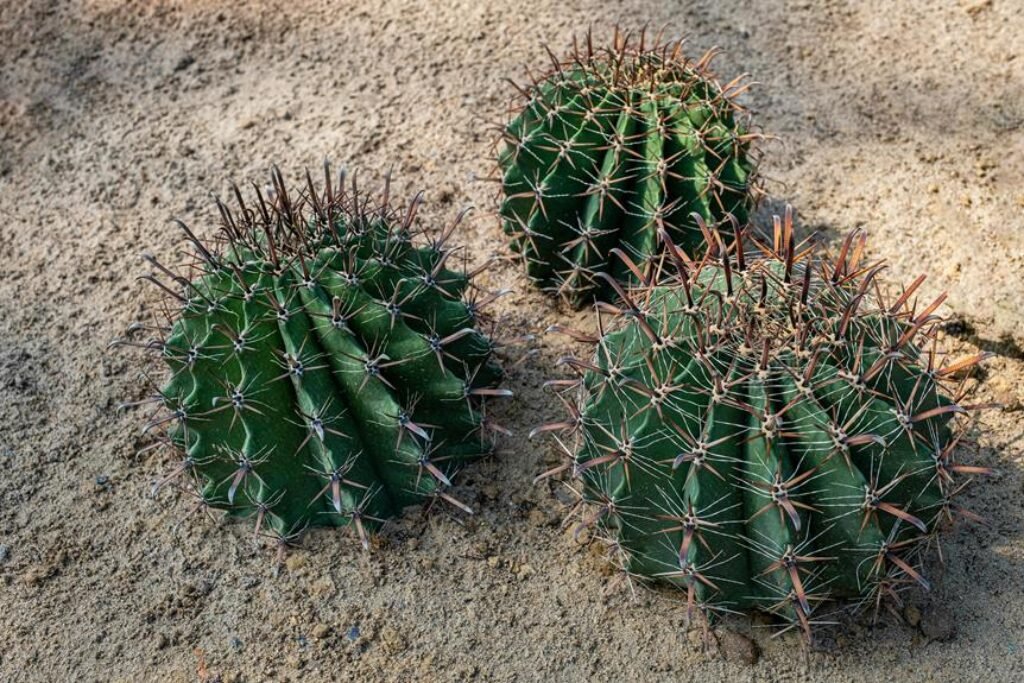
To create a garden that’s resilient to drought, start by carefully selecting plants that require minimal watering. But that’s just the beginning. There are other crucial steps you need to take to ensure your garden can withstand dry spells and still flourish. From smart irrigation techniques to soil preparation methods, each element plays a vital role in conserving water and helping your garden thrive. Keep reading to uncover the key strategies that will transform your outdoor space into a drought-resistant oasis.
Selecting Drought-Tolerant Plants
When creating a drought-resistant garden, choose plants that thrive with minimal water requirements. Opt for native species that have adapted to your area’s specific climate conditions. Select plants like lavender, succulents, and ornamental grasses, as they’re well-suited to surviving on little water. These plants not only conserve water but also add beauty and diversity to your garden. Consider the mature size of the plants you choose, ensuring they’ve enough space to grow without competing for resources. Group plants with similar water needs together to make irrigation more efficient.
Prioritize plants that have deep root systems, as they can access water sources that aren’t available to shallow-rooted plants. Additionally, plants with grayish or fuzzy leaves tend to be more drought-resistant, as they’ve developed mechanisms to reduce water loss through transpiration. When planting, amend the soil with organic matter to improve water retention and drainage. By carefully selecting drought-tolerant plants, you can create a vibrant and sustainable garden that thrives even in dry conditions.
Implementing Efficient Irrigation Systems
To ensure optimal water distribution in your drought-resistant garden, consider implementing drip irrigation systems for efficient watering. Drip irrigation delivers water directly to the base of plants, minimizing evaporation and runoff. This method is more efficient than traditional sprinkler systems, as it targets specific areas that need water the most.
Drip irrigation systems can be easily installed and customized to suit the layout of your garden. By strategically placing drip lines along the root zones of your plants, you can ensure that water is delivered precisely where it’s needed, promoting healthy growth while conserving water.
Additionally, incorporating a timer into your drip irrigation system allows you to schedule watering sessions during the early morning or late evening when evaporation rates are lower. This further maximizes water efficiency and helps prevent water loss due to evaporation.
Mulching Techniques for Water Conservation
Consider using mulching techniques in your garden to conserve water efficiently and promote plant health. Mulching involves covering the soil with materials like wood chips, straw, or leaves to help retain moisture, suppress weed growth, and regulate soil temperature. By implementing mulch in your garden, you can reduce water evaporation, which means you’ll need to water your plants less frequently.
Organic mulches, such as compost and grass clippings, not only conserve water but also enrich the soil as they decompose. Inorganic mulches like rocks or pebbles can also be effective at reducing water loss. Aim to maintain a layer of mulch about 2-4 inches thick around your plants, ensuring to leave some space around the base of the stems to prevent rotting.
Remember to replenish the mulch periodically to maintain its effectiveness. Mulching is a simple yet powerful technique that can significantly contribute to the water conservation efforts in your garden while keeping your plants healthy and thriving.
Soil Preparation and Water Retention Methods
To enhance your garden’s ability to retain water effectively, begin by focusing on soil preparation methods that optimize water retention. Incorporating organic matter, such as compost or well-rotted manure, into your soil can significantly improve its water-holding capacity. These materials act like sponges, absorbing water and releasing it slowly to plant roots as needed. Additionally, consider using mulch to cover the soil surface. Mulching helps prevent water evaporation, suppresses weed growth that can compete for water, and maintains a more stable soil temperature.
Another effective method to enhance water retention in your garden is by implementing raised beds. Raised beds provide better drainage compared to traditional flat beds, ensuring that excess water drains away while retaining moisture at the root level. Raised beds also allow for more precise watering, directing water where it’s needed most efficiently. Furthermore, practicing proper watering techniques, such as watering deeply but infrequently, can encourage plants to develop deeper root systems, increasing their resilience to drought conditions. By combining these soil preparation and water retention methods, you can create a garden that thrives even in dry periods.
Garden


