
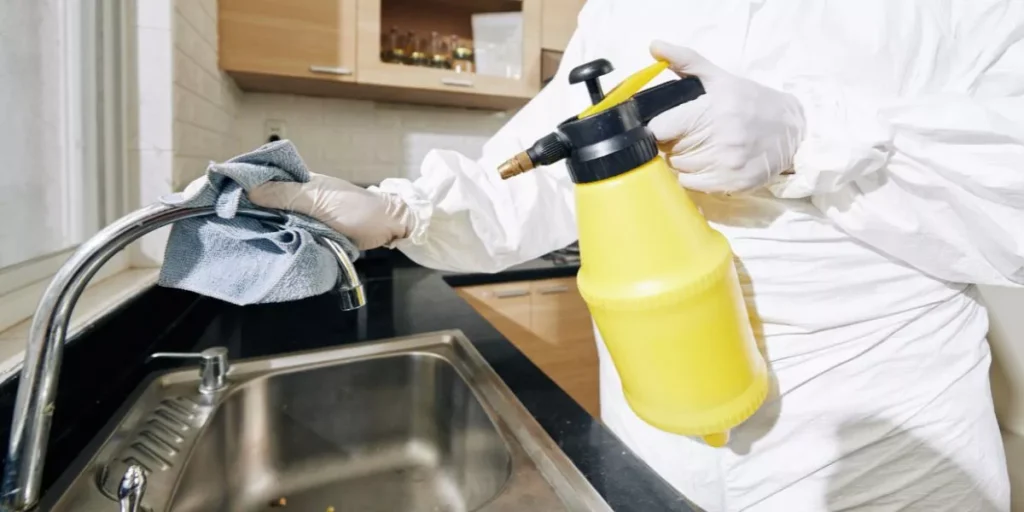
You may think your kitchen is a safe space, but there are hidden hazards lurking around every corner. From slippery floors to scalding burns, the kitchen can be a minefield of potential accidents. Take a moment to consider the dangers that could be present in your cooking haven, and discover how simple precautions can make a world of difference in keeping you safe and sound while you whip up your culinary creations.
Slips and Falls
Be cautious of wet floors in the kitchen to prevent slips and falls. It’s crucial to wipe up any spills immediately and use rugs with slip-resistant backing near sinks and countertops. When cooking or washing dishes, make sure not to leave any water or grease on the floor. Additionally, wearing proper footwear with good traction can help decrease the risk of slipping.
Another way to prevent slips and falls is by organizing your kitchen efficiently. Keep commonly used items within easy reach to avoid unnecessary reaching or climbing. Store heavy items on lower shelves to prevent them from falling and causing accidents. Ensure that all drawers and cabinets are closed when not in use to avoid tripping hazards.
Regularly inspect your kitchen for any potential hazards that could lead to slips and falls. Check for loose tiles, torn rugs, or any other obstacles in your walking path. By staying attentive and proactive, you can create a safer kitchen environment for yourself and your family.
Burns and Scalds
To further safeguard against kitchen hazards, take precautions to prevent burns and scalds, a common risk when working around hot surfaces and liquids.
Always use oven mitts or potholders when handling hot pots, pans, or trays to avoid burns from direct contact. Be cautious when opening steamy lids or containers to prevent scalds from the hot steam.
Ensure that all pot handles are turned inward on the stove to avoid accidental spills or knocks. Keep a safe distance from boiling liquids and be mindful of any splattering that may occur.
When using a microwave, open containers slowly to release steam and prevent burns. In the event of a burn or scald, run cool water over the affected area for at least 10 minutes and seek medical attention if necessary.
Cuts and Lacerations
Prevent cuts and lacerations in the kitchen by ensuring your knives are sharp and properly stored when not in use. Dull knives require more force to cut, increasing the risk of slips and injuries. Always use a cutting board to provide a stable surface for chopping and slicing, preventing the knife from slipping and causing accidental cuts. Pay attention while cutting ingredients, avoiding distractions that may lead to mistakes. When washing knives, handle them carefully to prevent accidental cuts from the blade. Store knives in a knife block or on a magnetic strip to keep them safely out of the way when not in use.
Additionally, be cautious when handling broken glass or dishes to avoid getting cuts. If a glass shatters, clean it up carefully, ensuring all pieces are removed to prevent future injuries. Always use appropriate tools for opening cans and packages to reduce the risk of lacerations. By staying vigilant and practicing safe handling techniques, you can significantly reduce the chances of cuts and lacerations in the kitchen.
Fire and Electrical Hazards
Ensure your kitchen is equipped with functioning smoke detectors and fire extinguishers to minimize the risks of fire and electrical hazards. It’s crucial to regularly check the batteries in your smoke detectors and ensure that your fire extinguishers are up to date and easily accessible in case of emergency.
When it comes to fire hazards, always stay vigilant while cooking. Never leave cooking food unattended on the stove, as uncontrolled flames can quickly escalate. Keep flammable items like kitchen towels, oven mitts, and wooden utensils away from hot surfaces to prevent accidental fires.
Electrical hazards are also common in the kitchen. Avoid overloading outlets with too many appliances, as this can lead to shorts and potential fires. Check cords for any fraying or damage, and never use appliances with exposed wires. Be cautious when using electrical appliances near water sources to prevent the risk of electric shock.
Kitchen Appliances


