
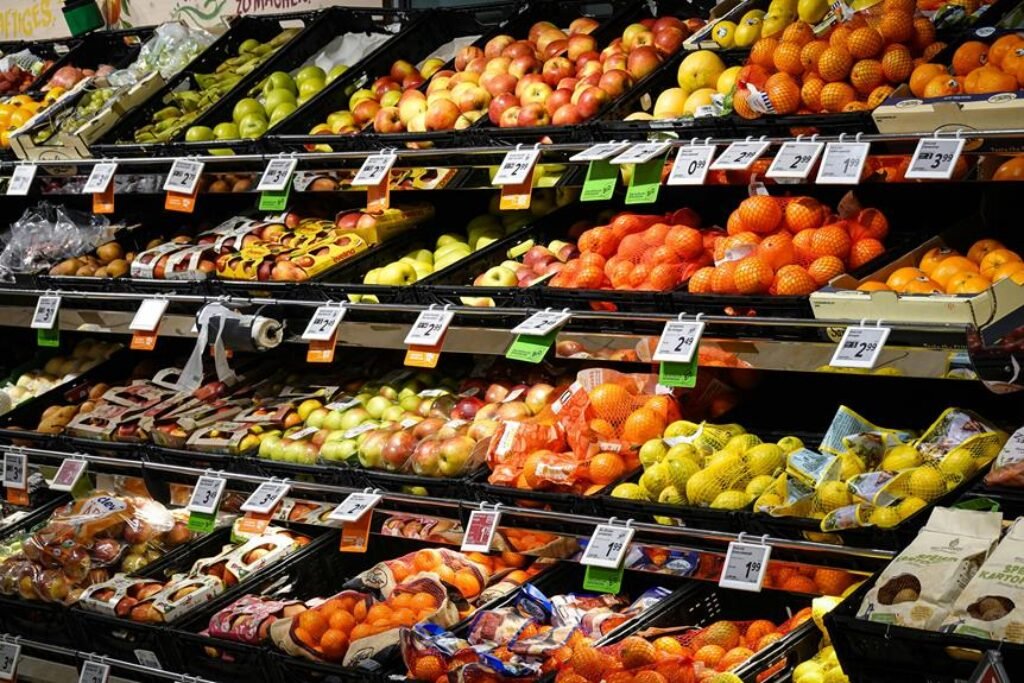
To extend the shelf life of your food effectively, mastering the art of proper storage and preservation methods is crucial. By employing simple techniques such as adjusting storage temperatures, using airtight containers, and exploring various preservation methods, you can ensure your ingredients stay fresh for longer periods. However, there are additional strategies and tips that can further enhance the longevity of your food items. These insights can make a significant difference in reducing food waste and ultimately saving you money.
Proper Storage Techniques
To extend the shelf life of your food, proper storage techniques are essential. Firstly, always store perishable items like meat, dairy, and seafood in the refrigerator set at the appropriate temperature. Make sure your fridge is at 40°F (4°C) or below to prevent bacterial growth. Additionally, keep fruits and vegetables in the crisper drawer to maintain freshness. When storing dry goods like grains, flour, and nuts, opt for airtight containers to protect them from moisture and pests. Labeling these containers with the purchase date can help you keep track of freshness.
Furthermore, organizing your fridge and pantry can also contribute to prolonging the shelf life of your food. Arrange items by expiration date, placing older products in front for easy access. This way, you’re more likely to use them before they spoil. Remember to keep an eye on storage guidelines for specific items, such as keeping potatoes in a cool, dark place, away from onions to prevent sprouting. By following these storage techniques diligently, you can significantly reduce food waste and save money in the long run.
Effective Preservation Methods
Extend the freshness of your groceries further by exploring effective preservation methods that can help you maximize the shelf life of various food items.
One of the most common and efficient ways to preserve food is through canning. Canning involves sealing food in jars and then heating them to destroy bacteria, enzymes, and other microorganisms that can cause spoilage. This method is particularly useful for fruits, vegetables, and even meats.
Freezing is another excellent preservation method that helps retain the quality of food for an extended period. By freezing food, you can slow down the growth of bacteria and preserve the texture and flavor of many items.
Vacuum sealing is also a popular technique that removes air from the packaging to prevent oxidation and microbial growth. This method is ideal for preserving meats, cheeses, and other perishable items.
Lastly, fermenting is a traditional preservation method that not only extends shelf life but also enhances the flavor and nutritional value of food. Fermented foods like kimchi, sauerkraut, and yogurt can last for weeks or even months when stored properly.
Key Factors Impacting Shelf Life
Understanding the key factors that impact shelf life is essential for maintaining the freshness and quality of your food items. Temperature plays a crucial role in determining how long food remains safe to eat. Storing perishable items like meat and dairy at the appropriate temperature can significantly extend their shelf life.
Exposure to light can also affect food quality by promoting oxidation and degradation of nutrients. Proper packaging is another key factor that can influence shelf life. Packaging that’s airtight and moisture-resistant can help prevent spoilage and extend the freshness of your food.
Additionally, the level of humidity in the storage environment can impact how long certain foods last. High humidity can lead to mold growth, while low humidity can cause foods to dry out. Understanding these factors and implementing proper storage practices can help you maximize the shelf life of your food items and reduce waste.
Tips for Maximizing Food Freshness
Maximize food freshness by implementing proper storage practices and utilizing suitable packaging to extend the shelf life of your food items.
Begin by storing fruits and vegetables in the refrigerator to slow down ripening and prevent spoilage. Keep dairy products like milk and cheese tightly sealed to prevent absorption of odors and maintain freshness. For meats, poultry, and seafood, use airtight containers or freezer bags to prevent freezer burn and extend their shelf life. When storing grains and dry goods, ensure they’re kept in a cool, dry place away from sunlight to maintain their quality.
Another tip to maximize food freshness is to rotate your food items regularly. Use older items before newer ones to prevent any items from expiring unused. Additionally, labeling your food items with dates can help you keep track of their freshness and use them before they go bad.
Kitchen Appliances


