
When it comes to ensuring the safety of your kitchen environment, being able to detect and address gas leaks promptly is crucial. From recognizing the common signs to taking the necessary steps to fix any leaks that may arise, understanding the process can help safeguard your home and loved ones. Stay tuned to discover practical tips and guidelines that can assist you in navigating this important aspect of kitchen safety.
Common Signs of Gas Leaks in the Kitchen
If you notice a strong smell of sulfur or rotten eggs in your kitchen, it may indicate a gas leak. Gas companies add a distinct odor to natural gas to help people detect leaks more easily.
Besides the smell, keep an eye out for hissing sounds near a gas line, as this could also point to a leak. Look for any dead or dying plants near your gas appliances, as gas leaks can release carbon dioxide that harms plants.
Another sign to watch for is a white cloud or dust cloud near a gas line. This could indicate a leak that’s disturbing the soil around the line.
Be vigilant for physical symptoms like dizziness, nausea, fatigue, or headaches that appear when you’re in the kitchen but subside when you leave. If you notice any of these signs, it’s crucial to address them promptly to ensure the safety of your household.
How to Detect Gas Leaks Safely
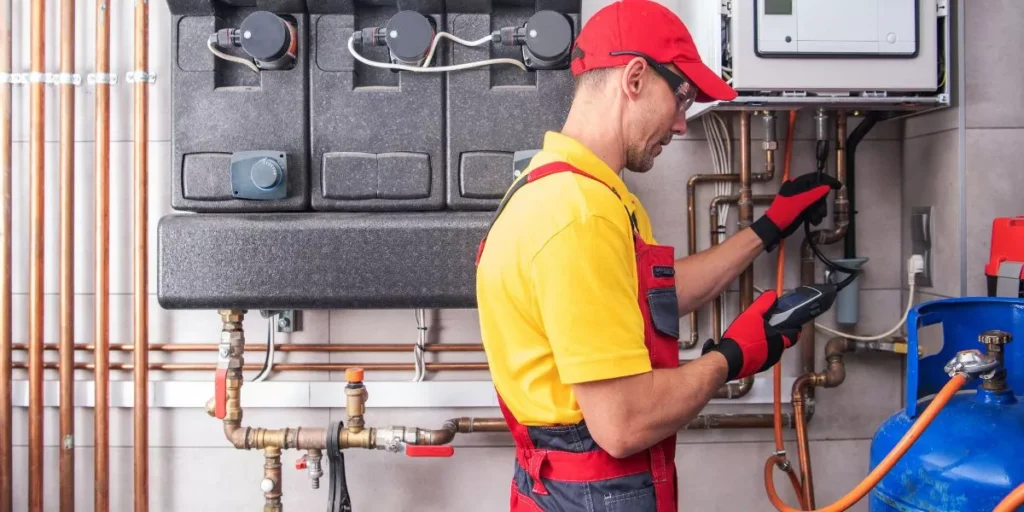
To safely detect gas leaks in your kitchen, utilize a gas leak detector tool or solution recommended by professionals. These tools are designed to accurately identify the presence of gas leaks, ensuring the safety of you and your family. When using a gas leak detector, follow the manufacturer’s instructions carefully to obtain reliable results.
Before starting the detection process, ensure that all appliances are turned off and that there are no open flames in the vicinity. Begin by slowly moving the gas leak detector around areas where gas lines are present, such as behind the stove or near the gas meter. Pay close attention to any alarms or visual indicators on the detector that signal the presence of gas.
If the gas leak detector indicates a potential leak, evacuate the area immediately and contact a professional gas technician to assess and fix the issue. Remember, detecting gas leaks safely is crucial for preventing potential hazards and ensuring a secure kitchen environment.
Steps to Fix Gas Leaks in the Kitchen
Utilize a gas shut-off valve to immediately stop the flow of gas if a leak is detected in your kitchen. Once the gas supply is turned off, open windows and doors to ventilate the area. Avoid creating any sparks or flames, including switching lights on or off, using electronic devices, or lighting matches. Don’t attempt to locate the leak yourself; instead, contact a professional gas technician to assess and repair the issue.
Before re-entering the kitchen, ensure that the gas smell has dissipated. Check all gas appliances for damage or signs of a leak, such as hissing sounds or the smell of gas. If you notice any damaged components, don’t attempt to fix them yourself; contact a qualified technician for repairs.
After the gas leak is fixed, consider scheduling regular maintenance checks for your gas appliances to prevent future leaks. Familiarize yourself with the location of the gas shut-off valve and educate other household members on its operation in case of emergencies.
Preventing Future Gas Leaks
To prevent future gas leaks in your kitchen, regularly inspect and maintain your gas appliances. Check for any signs of wear and tear such as cracks or corrosion on the gas lines, connectors, and valves. Ensure that all fittings are securely tightened and not leaking. It’s important to follow the manufacturer’s guidelines for maintenance and schedule professional inspections at least once a year.
Additionally, install a carbon monoxide detector near your gas appliances. Carbon monoxide is a silent killer, and early detection can save lives. Make sure to test the detector regularly and replace the batteries as needed.
When cooking, always supervise the stove and oven, and never leave them unattended. Turn off the gas when not in use and double-check that all burners are off before leaving the kitchen. Educate your family members on gas safety practices and what to do in case of a gas leak. By being proactive and vigilant, you can significantly reduce the risk of gas leaks in your kitchen.
Kitchen Appliances


